

I couldn’t afford all the supplements I’d need if I went vegan
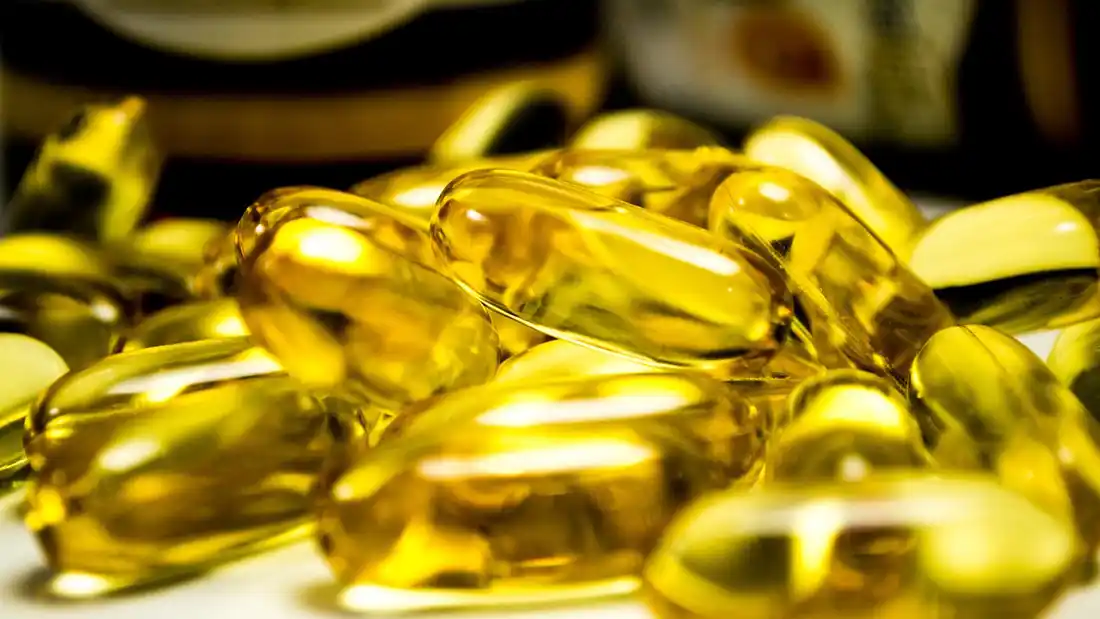
Well done for thinking about planning your diet carefully! However, you might be surprised to learn that a vegan doesn’t usually need to take handfuls of supplements. In fact, there is only one vitamin that anyone following a plant-based diet, and anyone over the age of 60, must take, and that’s B12.
Vitamin B12, like all B vitamins, helps our body get energy from food. It’s also really important for maintaining healthy nerve cells, DNA production and making red blood cells. B12 is made by bacteria found in water and soil, and we used to get enough by eating food from the ground. However, now food systems are so sanitised we need to take a supplement. Animal-based foods contain B12 because animals are given the vitamin too for the same reason, so even meat-eaters are taking a supplement via the animal. Cut out the middleman and take your own!
Fortunately, B12 is a very affordable vitamin. You can get 120 1,000-microgram tablets from Holland & Barrett for less than £20 and at that dosage you’d only need to take two a week, so that would last you quite a while! You can often find B12 sprays and supplements in TK Maxx, sometimes for under half the price. Find out more about B12 here.
Of course, there are other vitamins and minerals you may want to consider supplementing but are not necessarily essential. Most people living in the northern hemisphere would benefit from taking vitamin D during the autumn and winter when they don’t get enough sun exposure. Thankfully, this is also a very affordable vitamin.
We can meet our body’s requirements for the other vitamins and minerals through a carefully planned diet. For example, a couple of Brazil nuts a day can provide us with the selenium we need, dark leafy greens like kale are crammed with calcium, nori and iodised salt (use sparingly) can provide iodine, and using fortified nutritional yeast as a seasoning can further boost our B12. In addition, many plant-based milks and dairy alternatives are fortified with calcium, vitamin D and even B12 these days.
One supplement that can be expensive is an algae-derived omega-3 supplement containing EPA and DHA. We can get omega-3 fats from foods such as flaxseed, chia seeds and walnuts in the form of ALA, which our body can convert into EPA and DHA, with varying degrees of success. Because the conversion of ALA to EPA and DHA might be low, some experts recommend taking EPA and DHA directly. Therefore, an algae-derived omega-3 supplement might be something you want to consider if you can afford it but the evidence is not yet clear on whether it is essential. Find out more about omega-3 fats here.
Top tips:
- Buy an affordable B12 supplement from your local health shop, Holland & Barrett or even TK Maxx
- Consider taking vitamin D during the autumn and winter
- Buy fortified dairy alternatives
- Eat a wide variety of fruits and vegetables