

I’d have to spend a lot more money on protein if I was vegan
Probably the most common question asked of vegans is: “Where do you get your protein?” because there’s a misconception that a vegan diet is lacking in this important macronutrient. Many people think that if you go vegan, your protein requirements will skyrocket and you will have to buy more protein-rich food, special supplements and eat several cans of beans every day, therefore increasing your weekly grocery bill (and your flatulence). Fortunately, this isn’t the case. With a little planning, it is easy to get enough protein on a vegan diet and what’s more, vegan protein sources are cheaper than non-vegan ones.
Traditional sources of protein
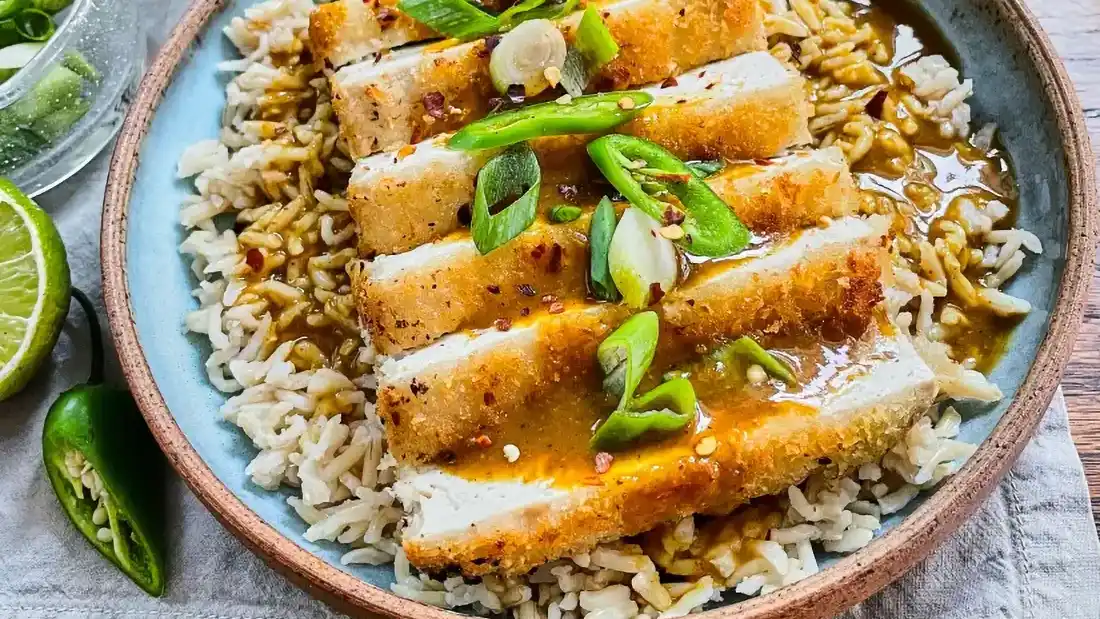
Several traditional vegan sources of protein are extremely inexpensive and make very versatile ingredients. These include tofu, tempeh and seitan, which have been eaten in Asian cultures for centuries. Tofu and tempeh are both made from soya and seitan is made from wheat gluten. They can all be prepared in a manner of ways to suit any dish you fancy, from a Sunday roast to a noodle stir-fry to a vegan bacon sandwich.
Tofu is probably the cheapest option and you can find many varieties in supermarkets, health food shops and Asian food shops. Most supermarkets now offer their own-brand tofu at extremely low cost, such as Sainsbury’s So Organic Tofu (300g) for just £1.49. Although tofu gets a bad rap for tasting bland, this is really just because plain tofu does not have a strong flavour, which makes it the perfect basis of all manner of dishes. Check out these Vegan Recipe Club ideas to get the tastiest tofu. Alternatively, you can buy smoked, marinated and spiced tofu, but it’s a bit more expensive than buying plain tofu and preparing it yourself – though still cheaper than many non-vegan options.
Convenient sources of protein
These days, supermarket refrigerated and frozen meat-free sections are chock-full of vegan burgers, sausages and mock meats. These are very convenient ways to add some protein to your plate and are usually no more expensive than non-vegan versions. Newer, innovative brands can be pricey but supermarket own-brand and well-established brands are usually cheaper.
If you’re buying them to meet your protein requirements, just make sure they actually do have a good amount of protein in them (around 20 grams of protein per serving) and are not too high in salt and unhealthy fats. Ones made from soya or mycoprotein are often a good choice!
Wholefood sources of protein
A healthy vegan diet will also include many wholefood sources of protein. The best plant sources of protein also happen to be some of the cheapest, including pulses (lentils, beans, chickpeas, peas and soya), nuts, seeds and wholegrains (oats, wholemeal bread, wholewheat pasta and brown rice). Some very affordable proteinous snacks include peanut butter, beans or hummus on wholegrain toast, a handful of walnuts or almonds, and a bowl of porridge or overnight oats with a dollop of nut butter and a sprinkling of pumpkin seeds. Don’t forget that you don’t need to rely on one food source for all your protein. By mixing it up, you can easily get enough protein over the course of a day.
Find out more about protein here.
Protein powders
If you work out or exercise a lot, you might be wondering about protein powders. Choosing to take a protein supplement does not inherently mean a diet is protein deficient, as many meat-eaters concerned with muscle growth and strength also supplement with protein. While protein powders are not an essential part of any diet, many active people choose to use them as a convenient way to meet their increased protein requirements.
Vegan protein powders are easy to find and pea protein, for example, can be found for the same price as whey protein (from cow’s milk). If you’re worried about losing your gains when switching to a vegan protein powder, don’t be – studies have shown that you can build just as much muscle and strength using a vegan protein powder as you can with whey protein.
Find out more about working out on a vegan diet here.
Top tips:
- Try traditional sources of protein such as tofu, tempeh and seitan
- Explore Chinese mock meats
- Stick to supermarket own-brand and well-established brands of meat alternatives
- Get protein from a wide range of wholefoods, including pulses, nuts, seeds and wholegrains
- Pea protein powder is a cheap and convenient source of vegan protein if you work out a lot